Persian cat breed
Calm, collected and dignified, the Persian cat is an ancient breed with a lot of love to give. Its silky, long fur, round cheeks and affectionate personality make it the perfect companion. Read on for more facts, from temperament and lifespan to training and exercise.
Pet insurance provided by Pinnacle Insurance Ltd.
Information on how we collect and use your personal data is available to read in our Privacy Policy
Persian cat breed information and advice
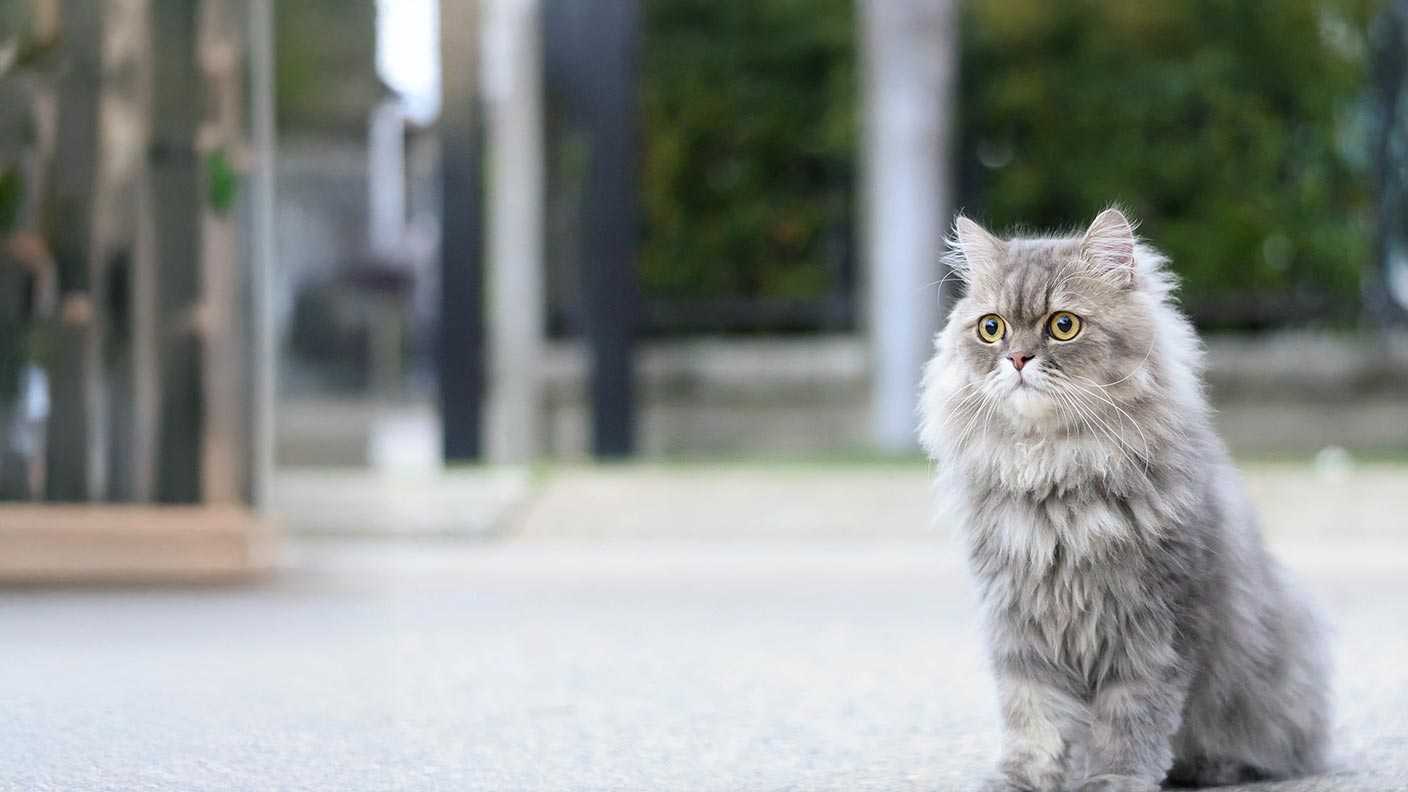
Persian cats are an ancient breed, brought into Europe from Persia in the 17th century. They’re also called the Persian Longhair or Iranian or Shirazi cat. This breed is known for its long coat, round face and short muzzle which can give them an air of superiority.
Thanks to their lusciously long fur, Persian cats need more maintenance than other cat breeds and require daily grooming. But this popular breed is sweet-natured and happy to laze around indoors, making them great companions for most households.
| Persian facts | |
|---|---|
Lifespan | 12-17 years |
How much |
£400+ |
Size |
20-25cm |
Weight | 3.6-6 kg (males); 2-5 kg (females) |
Colours |
Solid colours include: White, black, blue, chocolate, cream, lilac, red |
Grooming |
daily grooming required |
Temperament |
affectionate, friendly, home-loving, reserved with strangers |
Exercise |
not very energetic, so not much needed |
Insurance for your Persian
Although the Persian is a tough and robust breed, they can have several breed-related problems. So, it’s important to protect your Persian with cat insurance to help with the cost of any medical treatment.
The most common Persian cat health issues include:
- Hypertrophic cardiomyopathy (HCM)
- Autosomal dominant polycystic kidney disease (AD-PKD)
- Brachycephalic upper airway obstructions (BOAS)
- Progressive retinal atrophy (PK) deficiency
- Epihora
- Dental malocclusion
A Persian’s unique physical features can lead to various health problems and, in turn, higher insurance costs. Due to the likelihood of issues developing in their later life, it can be worth getting Persian kitten insurance.
How to care for a Persian cat
The Persian cat breed is low maintenance in nature, but their soft, long fur requires plenty of grooming and care. As with any other cat, they need a balanced diet and regular exercise. It’s also a good idea to check for any gum disease while cleaning their teeth.
Feeding and nutrition
Persian cats are known to laze about and are prone to becoming overweight. So, it’s important to feed them the appropriate amount of food to stay in good condition.
As with most cat breeds, Persians should be fed a high-quality diet rich in protein and low in calories. It's worth keeping your Persian cat on a regular schedule to prevent digestion issues and make sure they get quality nutrition as they age.
If you’re unsure what to feed your Persian, speak to your vet about the number of calories they should consume.
Grooming
You will need to groom your Persian cat every day to remove any tangles and matted hair. A wide-tooth comb will do, but you can also use a brush or grooming glove. Try to spend five minutes every day combing or brushing their coats. If they go outside, you will find they will need more grooming to remove any bits that get trapped in their coats. Their eyes and ears will also need to be wiped daily.
Persian cats need baths to prevent their coats from becoming greasy. How often you bath your cat will depend on the cat and what it gets up to. This can be once a month or every two to three months.
Their luxurious coat is long with a thick undercoat and is seen in a wide variety of colours and patterns. Most coats are either shorthaired or longhaired in solid blue, black or white. But there can also be grey, chinchilla, ginger, golden, red, and lilac Persian cats.
Exercise
Persians aren’t the most active cats, so they will need some exercise to prevent them from carrying excess weight.
That means you’ll need to give them an excuse to move around. Even if it’s a few minutes playing with cat toys, any form of movement will keep your Persian cat fit and healthy.
But don’t be fooled – this breed can have the occasional burst of energetic play from time to time. After a bout of exercise, they will be content to relax again.
Training
Thanks to the Persian cat’s serene temperament and intelligence, they are easily trained. Persians are indoor cats, so you’ll need to buy the right litter tray for them. Luckily, they usually pick up toilet or litter training pretty quickly.
Like any cat, though, training a Persian requires consistency, patience and reinforcement techniques. A trick is to find a treat they love and using it as positive reinforcement. Starting training early will positively shape your Persian cat’s personality with a good behaviour that will last a lifetime.
Temperament and behaviour
Persians are placid, laid-back cats and, apart from the occasional energetic five minutes now and then, are happy to just sit and look pretty.
While Persian cats are affectionate and love the spotlight, they don’t demand attention. In fact, they’re known to be reserved and standoffish around new people until they get to know them. Despite this, they get along with everyone, including dogs, as long as they are socialised when young.
Persian cats are curious, but they won’t sniff around your home looking for something to knock over. They’re also solidly built, so you’re unlikely to catch them climbing the curtains. Instead, you’ll likely find them napping on the comfiest surface they can find.
So, is a Persian cat right for you?
Persian cats are best suited to being indoors. They are placid, quiet and prefer a serene home and a regular routine. They might not be too happy sharing a home with boisterous children but should tolerate some gentle playtime.
If you’re out at work, they will be happy curling up on a chair or sofa or sitting on a sunny windowsill. And if you want a lap cat, then the Persian will happily oblige.
Frequently asked questions
How long do Persian cats live?
The average Persian cat lifespan is between 12 and 17 years. This does depend on how well your pet is cared for and if they are free from inherited heart and kidney conditions.
How often should you bathe a Persian cat?
It’s a good idea to bath your Persian cat at least once a month to keep its coat in good condition. If your cat goes outside, it may need bathing more often. Try to get your cat used to bath time by bathing them when they’re kittens. It’s also important to clean your Persian’s eyes with a clean, damp cloth to prevent tear duct stains.
Is a Persian cat a good pet?
Yes, Persian cats make good pets. Their docile nature and affectionate personality means they are good with children and other pets – even dogs. They enjoy company and don’t meow much, either.
Is a Persian cat very expensive?
A pedigree Persian cat can be expensive - a purebred Persian kitten can cost £400 upwards. The cost depends on the breeder, the breeding line and whether the Persians have been tested for genetic diseases. It is always best to buy from a trusted Persian breeder.
Do Persian cats like to be held?
Yes, Persian cats love to snuggle up on a plush sofa, but they also enjoy being held too. They prefer company and would spend plenty of time on anyone’s lap to cuddle if given the chance.